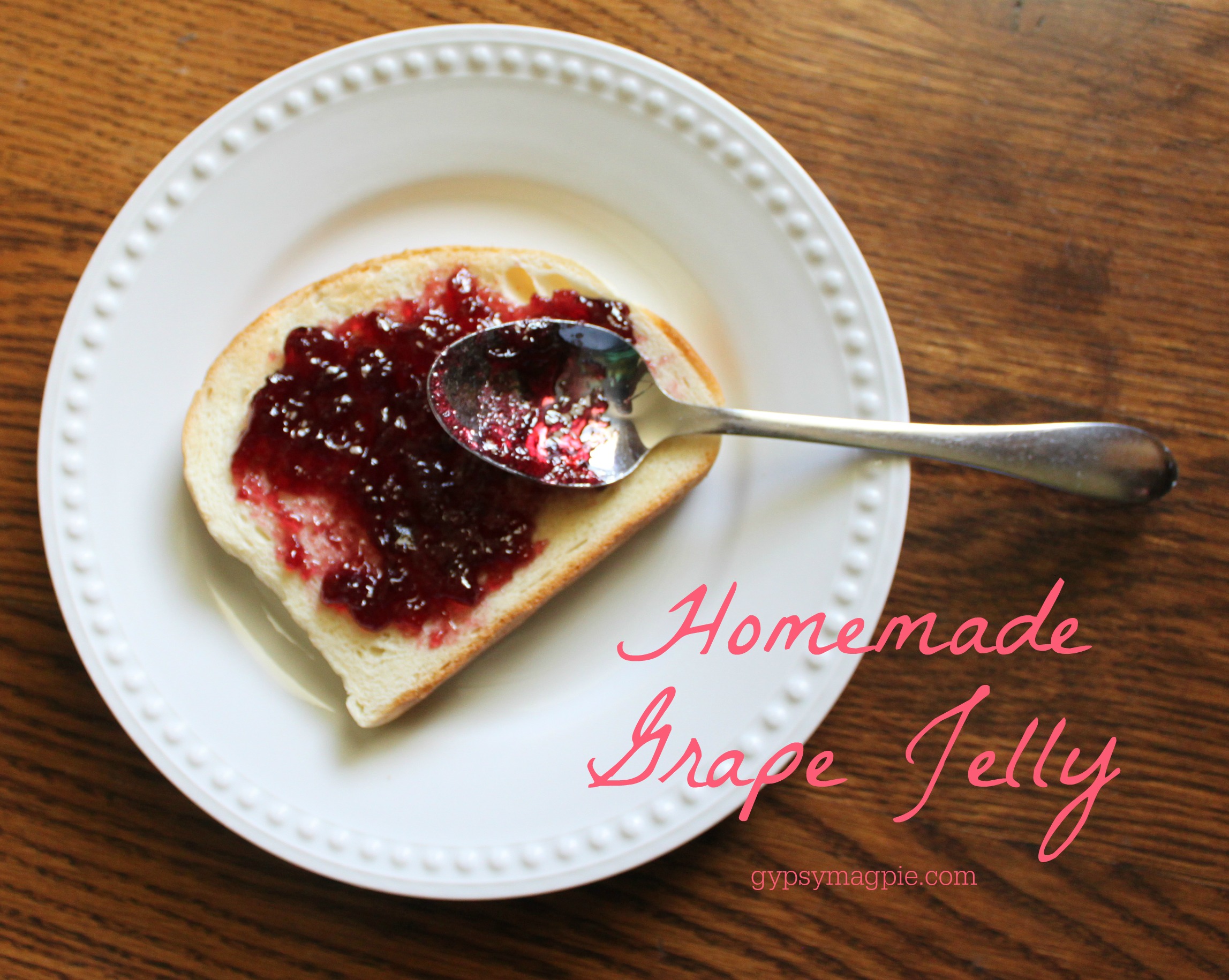
Crafting Your Own Delicious Homemade Grape Jelly: A Simple Guide
There's a special kind of magic in a jar of homemade grape jelly. The vibrant color, the irresistible sweet-tart flavor, and the sheer satisfaction of spreading it on toast, biscuits, or even using it in savory dishes – it's an experience that store-bought varieties simply can't replicate. If you've ever felt intimidated by the idea of canning, fear not! Making your own delicious homemade grape jelly from scratch is far simpler than you might imagine. This comprehensive guide will walk you through a tried-and-true
grape jelly recipe, ensuring you achieve perfect results every time.
Forget complicated procedures and a long list of obscure ingredients. This
homemade grape jelly recipe focuses on simplicity, using fresh grapes, sugar, and pectin to create a spread that's bursting with natural flavor. Get ready to transform a bounty of grapes into a pantry full of pure delight!
Why Make Your Own Homemade Grape Jelly? The Sweet Advantages
Beyond the sheer joy of creating something delicious with your own hands, there are numerous compelling reasons to embrace the art of making homemade grape jelly:
*
Unmatched Flavor: The taste of jelly made from fresh, ripe grapes is truly incomparable. You capture the essence of the fruit at its peak, resulting in a deeper, more authentic flavor profile than mass-produced options. You control the sweetness, allowing the natural grape flavor to shine through.
*
No Unnecessary Additives: When you make it yourself, you know exactly what goes into your jelly. You can avoid high-fructose corn syrup, artificial colors, and preservatives often found in commercial brands, making it a healthier choice for your family.
*
Cost-Effective: If you have access to an abundance of grapes, whether from your garden, a local farm, or a good sale, making your own jelly can be surprisingly economical. A small investment in grapes, sugar, and pectin can yield many jars of delicious spread.
*
A Sense of Accomplishment: There's immense satisfaction in seeing those beautiful, glistening jars lined up on your shelf, knowing you created them from scratch. It's a wonderful way to preserve the harvest and enjoy the taste of summer long into the colder months.
*
Versatility in the Kitchen: While excellent on breakfast items, homemade grape jelly is also a surprisingly versatile ingredient. It can elevate sauces, glazes for meats, and, as many culinary enthusiasts know, it’s the secret star in delightful appetizers like
Instant Pot Grape Jelly Meatballs: Easy Savory & Sweet Bites. For those planning a gathering, our
Party Pleaser: Quick Instant Pot Meatballs with Grape Jelly Sauce is another fantastic example of how your homemade jelly can be a showstopper.
Essential Ingredients for Your Simple Grape Jelly Recipe
The beauty of a truly simple
grape jelly recipe lies in its minimal ingredient list. You don't need exotic items; just good quality produce and a few pantry staples.
*
Fresh Grapes: The star of the show! For classic grape jelly, Concord grapes are highly recommended due to their strong flavor, beautiful deep purple color, and natural pectin content. However, other varieties like Niagara (for white grape jelly) or Muscadine can also be used, though you might need to adjust pectin slightly. Aim for ripe, healthy grapes, free from blemishes.
*
Granulated Sugar: Essential for both sweetness and acting as a preservative. The amount will depend on the sweetness of your grapes and the specific pectin you use. It's crucial not to reduce the sugar too much, as it affects the jelly's set and shelf life.
*
Pectin: This is what helps your jelly set. Pectin is a natural fiber found in fruits. Some fruits, like tart apples and citrus peels, are high in pectin. Grapes have a moderate amount, but for a reliable set, especially with a precise
grape jelly recipe, added pectin (either liquid or powdered) is usually recommended. Ensure you choose the correct type for your recipe (regular vs. low-sugar pectin).
*
Lemon Juice (Optional but Recommended): While not strictly necessary with high-pectin grapes and added pectin, a touch of lemon juice can brighten the flavor and aid in the pectin setting process by lowering the pH. Use fresh lemon juice for the best results.
Step-by-Step Guide: Crafting Your Delicious Grape Jelly
Ready to turn those lovely grapes into shimmering jars of jelly? Follow these steps for a successful and satisfying experience.
Gathering Your Tools
Before you begin, ensure you have all your equipment ready. This makes the process much smoother. You'll need:
* Large stockpot (for cooking grapes and making jelly)
* Potato masher or similar tool
* Fine-mesh sieve or colander
* Cheesecloth or a jelly bag
* Heatproof bowl (to collect juice)
* Measuring cups and spoons
* Sterilized canning jars (pint or half-pint are ideal) with new lids and rings
* Canning funnel
* Ladle
* Jar lifter
* Water bath canner with rack
* Timer
Preparing the Grapes and Extracting the Juice
This is the foundation of your delicious grape jelly.
1.
Wash and De-stem: Thoroughly wash your grapes under cool running water. Remove the grapes from their stems. Discard any bruised or spoiled grapes.
2.
Cook the Grapes: Place the clean grapes into a large stockpot. Add just enough water to barely cover the bottom of the pot (about 1/2 to 1 cup for several pounds of grapes) to prevent scorching. Bring to a boil over medium-high heat, then reduce heat and simmer for about 15-20 minutes, stirring occasionally and mashing the grapes with a potato masher. This helps to release all the juice and pectin.
3.
Strain for Juice: Set up your straining station. Place a fine-mesh sieve or colander lined with several layers of cheesecloth (or a dedicated jelly bag) over a large, clean heatproof bowl. Carefully pour the cooked grape mixture into the cheesecloth-lined sieve.
4.
Let Drip (Patience is Key!): Allow the juice to drip naturally, undisturbed, for at least 2-4 hours, or even overnight. *Resist the urge to squeeze the bag or press the fruit*, as this can force pulp through, resulting in cloudy jelly. For the clearest jelly, just let gravity do its work.
5.
Measure Your Juice: Once all the juice has dripped, discard the pulp. Measure the grape juice. Most standard pectin recipes call for a specific amount of juice (e.g., 5-6 cups).
The Jelly-Making Process
Now for the exciting part – turning juice into jelly! This part needs attention and speed.
1.
Prepare Canner and Jars: While the jelly is cooking, prepare your water bath canner. Fill it with water and bring it to a simmer. Wash your jars in hot soapy water, rinse well, and sterilize them by submerging them in simmering water for at least 10 minutes. Keep them hot until ready to fill. Set new lids in a small saucepan with simmering water (do not boil).
2.
Combine Juice and Pectin: In your large, clean stockpot, combine the measured grape juice with the pectin. Stir well to dissolve the pectin. Bring the mixture to a rolling boil over high heat, stirring constantly.
3.
Add Sugar: Once at a rolling boil that cannot be stirred down, quickly add the measured sugar all at once. Stir continuously until the sugar is fully dissolved.
4.
Boil to Setting Point: Return the mixture to a full, rolling boil that cannot be stirred down. Boil hard for exactly 1 minute (or according to your pectin package directions), stirring constantly. This is crucial for setting.
5.
Remove from Heat: After 1 minute of hard boiling, remove the pot from the heat. Skim off any foam that has accumulated on the surface with a spoon.
Canning and Sealing
This step ensures your jelly is shelf-stable and safe to store.
1.
Fill Jars: Using a canning funnel and ladle, carefully pour the hot jelly into the hot, sterilized jars, leaving 1/4 inch of headspace (the space between the jelly and the rim of the jar).
2.
Remove Air Bubbles: Use a non-metallic spatula or chopstick to gently remove any trapped air bubbles from the jars.
3.
Wipe Rims: Wipe the rims of the jars clean with a damp paper towel. Any residue can prevent a proper seal.
4.
Apply Lids and Rings: Place a hot lid on each jar, then screw on the band fingertip-tight (just until you feel resistance, then a tiny bit more).
5.
Process in Water Bath: Carefully place the filled jars onto the rack in your water bath canner. Ensure the jars are completely covered by at least 1 inch of water. Bring the water to a rolling boil, then process for 10 minutes (adjusting for altitude if necessary).
6.
Cool and Check Seals: After processing, turn off the heat and let the jars sit in the canner for 5 minutes before carefully removing them with a jar lifter. Place them on a wire rack or towel on your counter, undisturbed, for 12-24 hours. You should hear popping sounds as the lids seal. After 24 hours, check the seals by pressing the center of each lid. If it doesn't flex, it's sealed. Store sealed jars in a cool, dark place. Unsealed jars should be refrigerated and consumed within a few weeks.
Tips for Perfect Homemade Grape Jelly Every Time
To ensure your homemade grape jelly is consistently delicious and sets beautifully, keep these tips in mind:
*
Choose Ripe Grapes: The flavor of your jelly directly depends on the quality of your grapes. Use fully ripe grapes for the best taste and natural pectin content.
*
Don't Overcook the Juice: When extracting the juice, simmering the grapes for 15-20 minutes is sufficient. Overcooking can diminish the fresh grape flavor.
*
Follow Pectin Instructions: Different brands and types of pectin (liquid vs. powdered, regular vs. low-sugar) have specific instructions regarding the amount of sugar and boiling time. Always refer to the pectin package directions for the most accurate results for your chosen
grape jelly recipe.
*
Test for Set: If you're unsure about the jelly's set, you can use the frozen spoon test: Chill a metal spoon in the freezer. Drop a small amount of hot jelly onto the cold spoon. Wait 30 seconds, then tilt the spoon. If the jelly wrinkles, it's ready.
*
Sterilization is Key: Proper sterilization of jars and lids is paramount for safe, long-term storage of your homemade grape jelly. Don't skip this step!
*
Don't Double Batches: While tempting, it's best to stick to the recipe's recommended batch size, especially when using pectin. Doubling can affect the setting time and consistency. If you have a lot of juice, make multiple smaller batches.
*
Experiment with Flavors: Once you've mastered the basic
grape jelly recipe, consider adding a pinch of cinnamon or a few star anise pods to the grapes while cooking for a spiced grape jelly.
*
Proper Storage: Store sealed jars of jelly in a cool, dark pantry. Once opened, refrigerate the jelly.
Conclusion
Making your own delicious homemade grape jelly is a rewarding culinary adventure that connects you to the traditions of home preservation. With just a few simple ingredients and a clear step-by-step process, you can transform fresh grapes into shimmering jars of pure joy. This
grape jelly recipe not only provides a healthier, more flavorful alternative to store-bought options but also offers the incredible satisfaction of creating something beautiful and delicious from scratch. So gather your grapes, roll up your sleeves, and get ready to enjoy the sweet taste of success!